
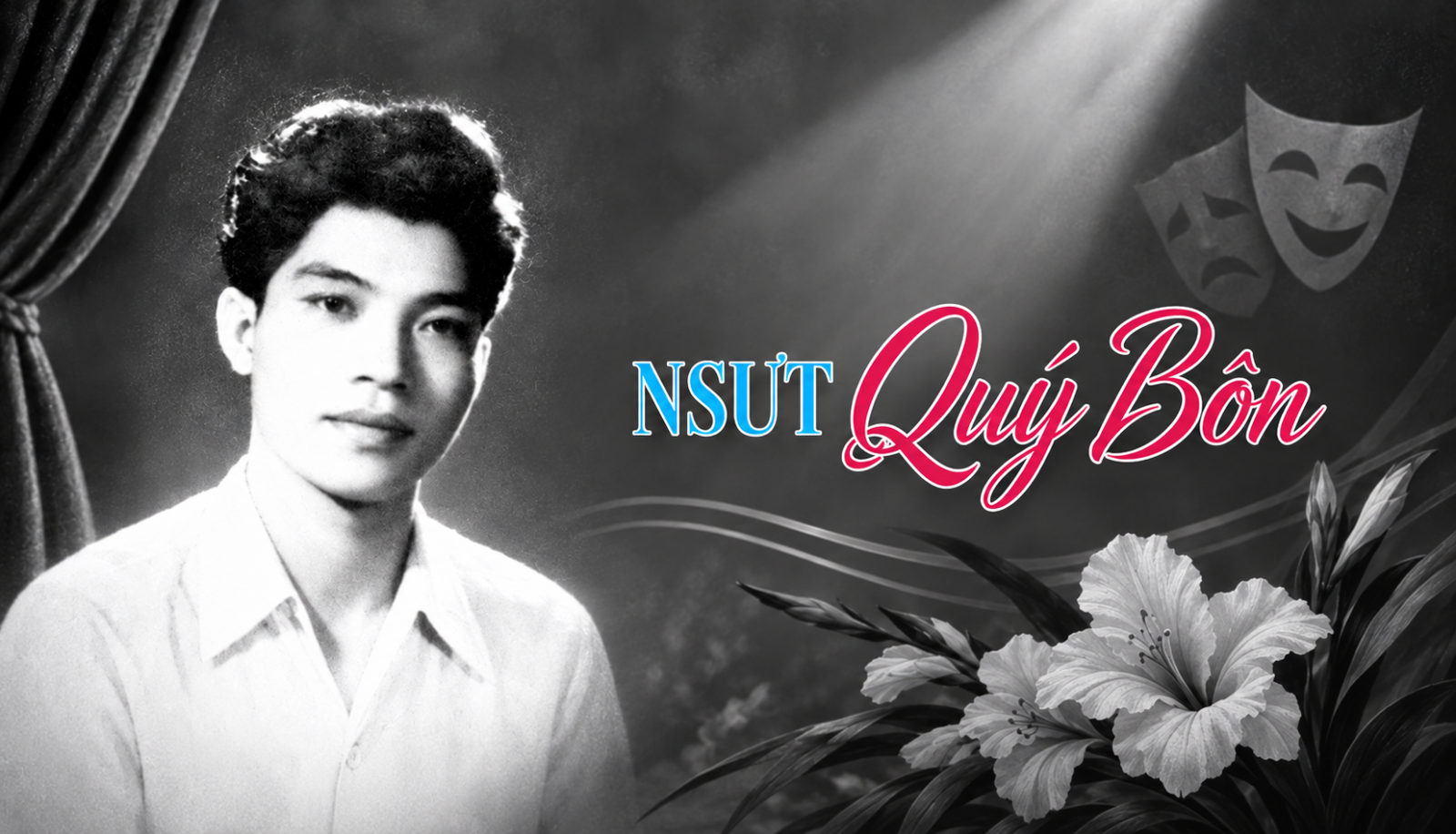
Trải qua 60 năm hình thành và phát triển, các đoàn: Lạc Việt, Kim Lan xưa, Đoàn Chèo Hà Nội, rồi Nhà hát Chèo Hà Nội ngày nay là cái nôi nuôi dưỡng nhiều tài năng cho nghệ thuật chèo, đặc biệt là nghệ thuật hát chèo. Hàng triệu khán thính giả, bạn nghề đã biết đến tên tuổi các nghệ sĩ lừng danh của Nhà hát qua vai diễn, điệu múa và đặc biệt là những giọng hát chèo vàng như: NSUT. Xuân Hanh, Thúy Mùi, Thu Huyền, Đức Thuận, nghệ sĩ Minh Nguyệt, Minh Huệ, Phương Mây, Quốc Phòng…, đặc biệt là nghệ sĩ Quý Bôn, một trong những giọng hát chèo vàng rất quý, hiếm của ngành chèo.
Nghệ sĩ Quý Bôn sinh năm 1941, với tên đầy đủ là Nguyễn Quý Bôn. Làng Thụy Lôi, Kim Bảng, Hà Nam của ông vốn là vùng đất Sơn Nam Thượng, giàu truyền thống văn hóa. Ngay từ nhỏ, Quý Bôn đã được nghe những làn điệu hát dặm, hát giao duyên, hát văn, đặc biệt là hát chèo đằm thắm của bà con cô bác ở vùng quê mình. Lớn lên, do say mê nghệ thuật, Quý Bôn đã tìm đến các đoàn chèo (Kim Lan, Lạc Việt) để học chèo. Năm 1959, Quý Bôn thi đỗ và vào học tại Trường Nghệ thuật Sân khấu. Ở đây ông được đào tạo một cách cơ bản về nghệ thuật chèo. Biết ông có năng khiếu, lại là người yêu đến say mê chèo nên các thầy, vốn là các nghệ nhân lừng danh, như Minh Lý, Cả Tam, Trùm Thịnh, Lệ Hiền… đã mang hết tâm huyết truyền nghề cho ông. Năm 1962, ông tốt nghiệp khóa chèo và về công tác tại Đoàn Chèo Hồng Hà. Ở đây, bên cạnh việc tham gia biểu diễn với đoàn, ông còn tích cực tham gia cộng tác thu thanh với Đài Truyền hình Việt Nam. Có thể nói, nghệ sĩ Quý Bôn là một trong những cộng tác viên đầu tiên của chương trình Hát chèo, Đài Tiếng nói Việt Nam. Năm 1966, khi Đoàn chèo Hà Nội được thành lập, Quý Bôn trở thành diễn viên nòng cốt của Đoàn. Suốt từ đó cho đến khi nghỉ hưu, Quý Bôn luôn đảm nhiệm hầu hết các vai chính, như Thiện Sĩ trong vở “Quan Âm Thị Kính”, Lưu Bình trong vở “Lưu Bình Dương Lễ”, Anh Trọng trong vở “Ni Cô Đàm Vân”, Khóa Hồng trong vở “Cô Son”, anh Hồng trong vở “Sợi tơ vàng”, Tú Uyên trong vở “Tú Uyên Giáng Kiều”, Thạch Sanh trong vở diễn cùng tên… Bên cạnh những vai kép nền, Quý Bôn cũng rất thành công ở những vai phản diện, như Lý Thông, vở “Thạch Sanh”, Quỷ Riếp trong vở “Nàng Sita”, Xã trưởng trong trích đoạn “Xã trưởng mẹ đốp”… Với niềm đam mê nghệ thuật đến cháy bỏng, cộng với khả năng diễn xuất giàu cảm xúc, tinh tế, nghệ sĩ Quý Bôn đã thể hiện các vai diễn một cách xuất sắc, được công chúng và bạn nghề mến mộ
Tuy nhiên, nói đến thành công với các vai diễn chỉ mới dựng được một nửa chân dung nghệ sĩ Quý Bôn. Có thể nói, nghệ sĩ Quý Bôn sở hữu một giọng hát chèo vàng. Giọng hát ấy vừa ấm áp, đằm thắm, lắng sâu vừa tròn vành, rõ chữ, truyền cảm, đậm chất chèo. Khi ông cất tiếng hát, tiếng hát ấy vừa có tình, vừa có hình, vừa có ảnh… Nó làm xao xuyến những người sành chèo, yêu chèo. Nghe thì hiểu vậy nhưng mấy ai biết được Quý Bôn đã phải tập luyện gian khổ như thế nào. Ông thường xuyên tập hát, tập nói, tập diễn xuất một mình, ngay cả những lúc đạp xe đạp. Nghệ sĩ Quý Bôn tâm sự: “Để thể hiện được một bài hát chèo, một vai diễn, mình nghĩ là phải thấm, phải hiểu sâu sắc nội dung cũng như tư tưởng của vai diễn, bài hát đó. Bởi có hiểu mới biết lướt, biết nhấn, biết rung, biết ngân đúng từ, đúng câu, đúng ý”. Gần 30 năm công tác với Đài Tiếng nói Việt Nam, Quý Bôn đang sở hữu một vốn liếng giàu có, đó là hàng trăm bài hát chèo, ca cảnh, hoạt cảnh do ông thể hiện đang lưu giữ trong kho băng tư liệu của Đài Tiếng nói Việt Nam.
Đã rời sân khấu mấy mươi năm, không còn đảm nhiệm những vai diễn, cũng đã ít hát nhưng nghệ sĩ Quý Bôn vẫn đau đáu với nghệ thuật. Ông luôn theo dõi từng bước trưởng thành của các bậc đàn em, đàn cháu và sẵn lòng truyền dạy cho họ những “Ngón nghề” mà mình có được. Nghĩ về nghệ sĩ Quý Bôn là nghĩ về một người nghệ sĩ suốt đời vì nghệ thuật, nhắc đến ông là nhắc đến một giọng hát chèo vàng rất hiếm hoi của sân khấu chèo từ sau Cách mạng tháng Tám đến nay./.
Mai Văn Lạng
Hà Nội, ngày 29 tháng 2 năm 2012.
Meritorious Artist Quý Bôn – A Golden Voice of Chèo
Although he had left the stage two decades earlier, no longer taking on major roles and singing far less frequently, Meritorious Artist Quý Bôn never ceased to care deeply about the art of Chèo. He continued to follow the artistic development of younger generations and remained willing to pass on the techniques, experience and professional knowledge he had accumulated throughout his career.
To speak of Quý Bôn is to speak of an artist who devoted his entire life to the stage. Above all, his name evokes one of the rare “golden voices” of Chèo to emerge in the decades following Vietnam’s August Revolution.
Over sixty years of formation and development, from the former Lạc Việt and Kim Lan troupes, to the Hanoi Chèo Troupe, and later Hanoi Chèo Theatre, this artistic institution became a cradle for generations of Chèo talent, particularly in the art of traditional singing.
Millions of audiences and fellow artists came to know the Theatre’s celebrated performers through their acting, dance and, above all, their distinctive voices. Among them were Meritorious Artists Xuân Hanh and Thúy Mùi, Thu Huyền, Đức Thuận, Minh Nguyệt, Minh Huệ, Phương Mây and Quốc Phòng. Yet among these remarkable voices, Quý Bôn stands out as one of the rarest and most treasured singers in the history of modern Chèo.
From the Folk Songs of Hà Nam to the Chèo Stage
Artist Quý Bôn, whose full name is Nguyễn Quý Bôn, was born in 1941.
His native village of Thụy Lôi, Kim Bảng, Hà Nam, once part of the historic cultural region of Sơn Nam Thượng, was rich in folk traditions.
From childhood, Quý Bôn grew up listening to local forms of traditional singing: hát dặm, antiphonal folk songs, hát văn, and above all the warm and lyrical Chèo melodies performed by people in his community.
His love for the performing arts eventually led him to seek out Chèo troupes such as Kim Lan and Lạc Việt, where he began learning the craft.
In 1959, Quý Bôn successfully entered the School of Theatre Arts, where he received systematic professional training in Chèo.
Recognising both his natural ability and his intense passion for the art form, some of the great masters of the time — including Minh Lý, Cả Tam, Trùm Thịnh and Lệ Hiền — devoted themselves wholeheartedly to teaching him.
In 1962, after completing his Chèo training, Quý Bôn joined the Hồng Hà Chèo Troupe.
Alongside his stage performances, he also became actively involved in recording work for national broadcasting. Quý Bôn was among the earliest regular contributors to Chèo programmes produced by the Voice of Vietnam.
When the Hanoi Chèo Troupe was established in 1966, he became one of its core performers.
From that time until his retirement, Quý Bôn took on many of the leading roles in the Theatre’s repertoire, including Thiện Sĩ in Quan Âm Thị Kính, Lưu Bình in Lưu Bình – Dương Lễ, Anh Trọng in Ni Cô Đàm Vân, Khóa Hồng in Cô Son, Anh Hồng in Sợi Tơ Vàng, Tú Uyên in Tú Uyên – Giáng Kiều, and Thạch Sanh in the production of the same name.
Although especially successful in leading male roles, Quý Bôn was equally convincing in villainous and comic characters, including Lý Thông in Thạch Sanh, Quỷ Riếp in Nàng Sita, and the Village Chief in the celebrated excerpt Xã Trưởng – Mẹ Đốp.
With his intense artistic passion, combined with emotionally rich and finely controlled acting, Quý Bôn created characters that were greatly admired by both audiences and fellow performers.
A Rare Golden Voice
Yet to speak only of Quý Bôn’s acting would be to tell only half the story.
His greatest artistic distinction was his voice.
Quý Bôn possessed what Chèo artists often describe as a true “golden voice” — warm and mellow, deep yet resonant, clear in diction, emotionally expressive and unmistakably rooted in the vocal aesthetics of Chèo.
When he sang, the voice seemed to contain not only emotion, but also image and atmosphere. For knowledgeable Chèo audiences, it could stir a profound sense of recognition and longing.
Yet such artistry was not simply a gift of nature.
Behind the apparent ease of his performances lay years of disciplined and persistent practice. Quý Bôn regularly practised singing, speech and acting on his own — sometimes even while riding his bicycle.
Reflecting on his craft, he once explained:
“To perform a Chèo song or portray a character properly, you must first absorb and understand the content and the underlying ideas deeply. Only when you truly understand them can you know where to glide through a phrase, where to emphasise, where to ornament the voice, where to sustain a note, and which word or line must carry the meaning.”
That philosophy reveals the foundation of his artistry: technique always placed in the service of meaning and emotion.
Over nearly thirty years of collaboration with the Voice of Vietnam, Quý Bôn built an extraordinary recorded legacy. Hundreds of Chèo songs, musical scenes and dramatic excerpts performed by him have been preserved in the broadcaster’s sound archives, forming an invaluable record of his voice and of Chèo performance practice.
Passing the Flame to New Generations
Even after leaving the professional stage for twenty years, Quý Bôn never turned away from Chèo.
Though he no longer performed major roles and sang only occasionally, he continued to follow the progress of younger artists closely. Whenever possible, he was ready to teach them the subtle techniques and professional secrets that could only be acquired through decades of experience.
For younger generations, such knowledge is invaluable — not simply because it preserves individual techniques, but because it passes on the living spirit of Chèo from one generation to another.
To remember Meritorious Artist Quý Bôn is therefore to remember an artist who devoted a lifetime to his craft.
And to hear his name is to recall one of the most treasured voices of modern Chèo:
a rare golden voice, rich in warmth, emotion and the unmistakable soul of Chèo.
.png)